
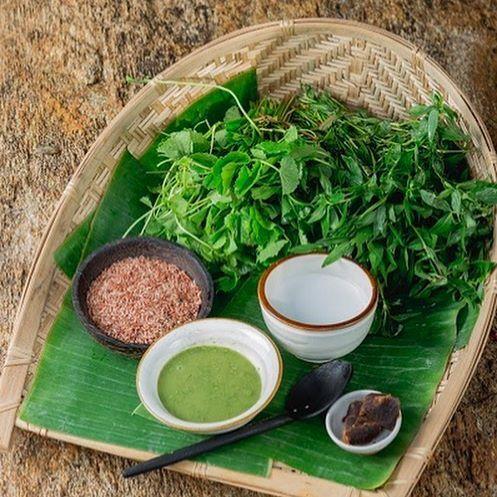
🍃 කොළ කැඳ කෝප්පයක සැඟවුණු අපේ උරුමය
The Heritage Hidden in a Cup of Sri Lankan Herbal Porridge
ශ්රී ලාංකික ආහාර සංස්කෘතියේ සුවිශේෂී උරුමයක්
🌿 කොළ කැඳ – පරම්පරාවෙන් පරම්පරාවට පැමිණි සම්ප්රදායක්
උදෑසන හිරු එළිය ගෙමිදුලට වැටෙද්දී, මුළුතැන්ගෙයි මැටි වළඳක සෙමින් පිසෙන කොළ කැඳ සුවඳ අපේ පැරණි ගැමි ජීවිතයේ සුන්දර මතකයකි.
එදා අපේ අම්මලා, ආච්චිලා උදෑසන ආහාරය සකස් කළේ කුස පිරවීමට පමණක් නොවේ. පවුලේ සෞඛ්යය, සොබාදහම සමඟ ඇති බැඳීම සහ ආහාරයේ පෝෂණීය වටිනාකම පිළිබඳව ද ඔවුහු සැලකිලිමත් වූහ.
ඒ ආහාර අතර කොළ කැඳට හිමිවන්නේ සුවිශේෂී ස්ථානයකි.
කොළ කැඳ යනු හුදෙක් ආහාරයක් නොවේ. එය අපේ දේශීය දැනුම, ගැමි සම්ප්රදාය සහ පරම්පරා ගණනාවක අත්දැකීම් එක්තැන් වූ සංස්කෘතික උරුමයකි.
🍀 කොළ කැඳ සකස් කිරීමට යොදාගන්නා පලා වර්ග
ශ්රී ලංකාවේ විවිධ ප්රදේශවල කොළ කැඳ සකස් කිරීමට විවිධ ආහාරයට සුදුසු පලා වර්ග යොදාගනී.
ඒ අතර ප්රචලිත වන්නේ:
🌱 ගොටුකොළ
🌱 හාතාවාරිය
🌱 මුකුණුවැන්න
🌱 කරපිංචා
🌱 වැල්පෙනෙල
🌱 ඉරමුසු
මෙම පලා වර්ගවල පෝෂණ සංයුතිය එකිනෙකට වෙනස් වන අතර, ඇතැම් පලා වර්ග සාම්ප්රදායික දේශීය වෛද්ය ක්රමවල ද භාවිත කර ඇත.
කෙසේ වෙතත්, සෑම පලා වර්ගයක්ම සෑම කෙනෙකුටම සුදුසු නොවන බැවින්, නිවැරදිව හඳුනාගත් ආහාරයට සුදුසු පලා පමණක් භාවිත කිරීම වැදගත්ය.
🥥 කොළ කැඳ කෝප්පයක පෝෂණීය වටිනාකම
සාමාන්යයෙන් කොළ කැඳ සකස් කරන්නේ සහල්, තෝරාගත් පලා වර්ග, පොල් කිරි, ජලය සහ ලුණු ස්වල්පයක් යොදාගෙනය.
සහල් මඟින් ශරීරයට අවශ්ය කාබෝහයිඩ්රේට් ලැබෙන අතර, පොල් කිරි මඟින් මේදය සහ ආහාරයට මෘදු රසයක් එක්වේ.
භාවිත කරන පලා වර්ග අනුව විටමින්, ඛනිජ ලවණ සහ ශාකමය පෝෂක ද ලැබිය හැකිය.
එහෙත් කොළ කැඳ සියලු රෝග සුව කරන ඖෂධයක් ලෙස සැලකීම නිවැරදි නොවේ. එහි සැබෑ වටිනාකම වන්නේ සමබර ආහාර රටාවක කොටසක් ලෙස භාවිත කළ හැකි සාම්ප්රදායික ආහාරයක් වීමයි.
🏡 ගැමි නිවසේ සිට නූතන ජීවිතය දක්වා
අතීතයේ ගැමි නිවෙස්වල කොළ කැඳ සකස් කිරීම දෛනික ජීවිතයේ හුරුපුරුදු කටයුත්තක් විය.
ගෙවත්තෙන් පලා නෙළාගෙන, ඒවා පිරිසිදු කර, සහල් සමඟ කැඳ පිසීම බොහෝ පවුල්වල සාමාන්ය සිරිතක් විය.
ඇතැම් නිවෙස්වල කොළ කැඳ සමඟ හකුරු කැබැල්ලක් ද පිළිගැන්විණි.
අද වන විට නාගරික ජීවිතයේ කාර්යබහුලත්වය හේතුවෙන් එවැනි ආහාර පිළියෙළ කිරීම අඩුවී තිබුණ ද, කොළ කැඳ පිළිබඳ උනන්දුව තවමත් පවතී.
උදෑසන කොළ කැඳ අලෙවි කරන කුඩා ව්යාපාර ද අපට දැකගත හැකිය.
එය අපේ ආහාර උරුමය රැකගැනීම සමඟම දේශීය ව්යවසායකයන්ට ආදායම් අවස්ථා උදාකරන ආහාරයක් බවට ද පත්ව තිබේ.
🍵 නිවසේදී සරල ගොටුකොළ කැඳක් සකස් කරමු
අවශ්ය ද්රව්ය:
සහල් කෝප්ප ½
හොඳින් සෝදාගත් ගොටුකොළ මිටක්
පොල් කිරි කෝප්ප 1
අවශ්ය පමණ ජලය
ලුණු ස්වල්පයක්
සාදන ආකාරය:
සහල් හොඳින් සෝදා, ජලය එක්කර මෘදු වනතුරු පිසගන්න.
ගොටුකොළ පිරිසිදු කර ජලය ස්වල්පයක් සමඟ අඹරා හෝ බ්ලෙන්ඩර් කර යුෂ සකස් කරගන්න.
පිසුණු සහල්වලට පොල් කිරි එක්කර හොඳින් මිශ්ර කරන්න.
අවසානයේ ගොටුකොළ යුෂ එක්කර මඳ ගින්නේ කෙටි වේලාවක් රත් කරන්න.
ලුණු ස්වල්පයක් එක්කර උණුසුම්ව පිළිගන්වන්න.
පිරිසිදු පලා සහ පානීය ජලය භාවිත කරමින්, ආහාර සුරක්ෂිතතාව පිළිබඳ සැලකිලිමත්ව කැඳ පිළියෙළ කළ යුතුය.
🌸 අපේ දරුවන්ට උරුම කළ යුතු රසයක්
අද ලෝකයේ විවිධ ආහාර රටා ජනප්රිය වෙමින් පවතී.
එහෙත් අපේ පාරම්පරික ආහාර පිළිබඳ දැනුම අනාගත පරපුරට ලබාදීම ද ඉතා වැදගත්ය.
විශේෂයෙන් විදේශ රටවල ජීවත් වන ශ්රී ලාංකික පවුල්වලට කොළ කැඳ වැනි ආහාර හඳුන්වාදීම, තම දරුවන්ට ශ්රී ලාංකික සංස්කෘතිය සමඟ බැඳීමක් ඇති කිරීමට සුන්දර මාර්ගයකි.
කොළ කැඳ කෝප්පයක ඇත්තේ සහල්, පොල් කිරි සහ පලා යුෂ පමණක් නොවේ. එහි අපේ ගැමි ජීවිතයේ මතකයන්, පරම්පරා ගණනාවක දැනුම සහ සොබාදහමට සමීප වූ ජීවන රටාවක උරුමය ද සැඟවී ඇත.
🌿 English Version
The Heritage Hidden in a Cup of Sri Lankan Herbal Porridge
A Traditional Treasure of Sri Lankan Food Culture
Imagine a peaceful morning in a traditional Sri Lankan village. The sunlight slowly enters the garden, while a clay pot of freshly prepared herbal porridge gently simmers in the kitchen.
For generations, Sri Lankan families have enjoyed a nutritious traditional breakfast known as Kola Kenda, or herbal leaf porridge.
It is more than a simple breakfast. It represents a connection between food, nature, family traditions, and knowledge passed down through generations.
🍀 A Tradition Rooted in Nature
Kola Kenda is traditionally prepared using rice, coconut milk, water, and selected edible green leaves.
Commonly used leaves include:
Gotu Kola (Centella asiatica)
Hathawariya (Asparagus racemosus)
Mukunuwenna (Alternanthera sessilis)
Curry leaves (Murraya koenigii)
Welpenela (Cardiospermum halicacabum)
Iramusu (Hemidesmus indicus)
Different regions and households have their own recipes, often influenced by locally available plants and family traditions.
Some of these plants also have a history of use in traditional medicine. However, only correctly identified, food-safe plants should be used.
🥥 Nutritional Value of Kola Kenda
The nutritional value of Kola Kenda depends on the ingredients used.
Rice provides carbohydrates for energy, while coconut milk contributes fats and a creamy texture. Green leaves may provide vitamins, minerals, and beneficial plant compounds.
Although Kola Kenda has a long association with traditional wellness practices, it should not be considered a cure for diseases or a replacement for medical treatment.
Its value lies in being a traditional food that can contribute to a varied, balanced diet.
🏡 From Village Kitchens to Modern Life
In earlier generations, preparing Kola Kenda was a familiar morning activity in many Sri Lankan households.
Fresh leaves were collected from home gardens, cleaned, and prepared with rice and coconut milk. Some families enjoyed their porridge with a small piece of jaggery.
Today, although busy lifestyles have changed breakfast habits, Kola Kenda continues to be appreciated.
Small local businesses also prepare and sell fresh herbal porridge, helping preserve traditional food practices while creating opportunities for entrepreneurs.
🍵 How to Prepare Simple Gotu Kola Porridge
Ingredients:
½ cup of rice
A handful of fresh, washed Gotu Kola leaves
1 cup of coconut milk
Water as needed
A pinch of salt
Method:
Wash the rice and cook it in water until soft.
Thoroughly wash the Gotu Kola leaves and blend them with a little water.
Add coconut milk to the cooked rice and mix well.
Add the blended leaf mixture and heat gently for a short time until adequately cooked.
Add a little salt and serve warm.
Always use correctly identified edible leaves, clean utensils, and safe drinking water.
🌸 A Taste Worth Preserving for Future Generations
As modern food trends continue to evolve, preserving traditional food knowledge becomes increasingly important.
For Sri Lankan families living overseas, introducing children to Kola Kenda can be a meaningful way to share the tastes and traditions of their homeland.
A simple cup of herbal porridge can tell a story about family, culture, nature, and the wisdom of earlier generations.
A cup of Kola Kenda contains more than rice, coconut milk, and green leaves. It carries memories of village life, generations of traditional knowledge, and a lasting connection to Sri Lankan heritage.
🍃 SriTrade.lk | Food & Culture
Celebrating Sri Lankan Food, Culture & Heritage
#SriTrade #SriLankanFood #KolaKenda #SriLankanCulture #TraditionalFood #HerbalPorridge #FoodAndCulture